RESOURCES
Free In-Person and Online Resources about Mental Illness, Trauma, and Addiction
Family Connections (for borderline personality disorder)
Educational and Support Programs for People Managing a
Mental Illness and their Family Members/Friends
Alcoholics Anonymous (AA)
Narcotics Anonymous (NA)
Al-Anon (for family members/friends)
Alateen (for teens who love someone with an addiction)
Dual Recovery Anonymous (DRA: for people managing both substance and mental health concerns)
Celebrate Recovery (Christian based 12-step program)
Educational and Support Programs for People Managing an
Addiction and their Family Members/Friends
Mental Health America (includes short assessments for mental health concerns)
Treatment Advocacy Center (has a helpline)
Organizations with Trustworthy Information about Mental Illness and Trauma
International Organizations with Trustworthy Information about Mental Illness and Trauma
Find Treatment (SAMHSA-sponsored site to search for treatment for mental and substance abuse problems)
Psychology Today (for therapists and prescribers)
Coordinated Specialty Care Programs for Psychosis (First Episode Programs)
Websites to Search for Mental Health Care
Our Time (United Kingdom)
Lapproche (Canada)
Children of Parents with a Mental Illness (COPMI: Australia)
Organizations with Resources for Youth whose Parent has a Mental Illness
988 (Suicide and Crisis Lifeline) and 911 (for medical emergencies)
Trevor Project (for LGBTQ youth)
Hotlines
Veterans and Families
While working in the VA healthcare system, Michelle collaborated with colleagues in creating resources for families managing mental illness and trauma/PTSD. The following four programs are available for free download. Support for their development was provided in part by the South Central Mental Illness Research, Education and Clinical Center (MIRECC).
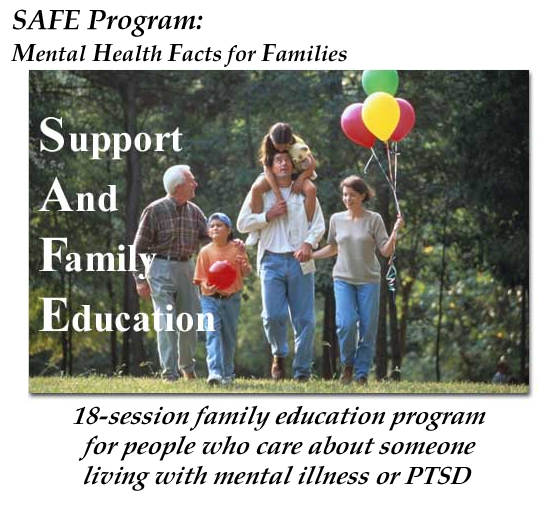
SAFE Program: Support and Family Education
An 18-session family education curriculum for adults who care about someone living with a mental illness or PTSD. Named a best practice by VA Central Office.
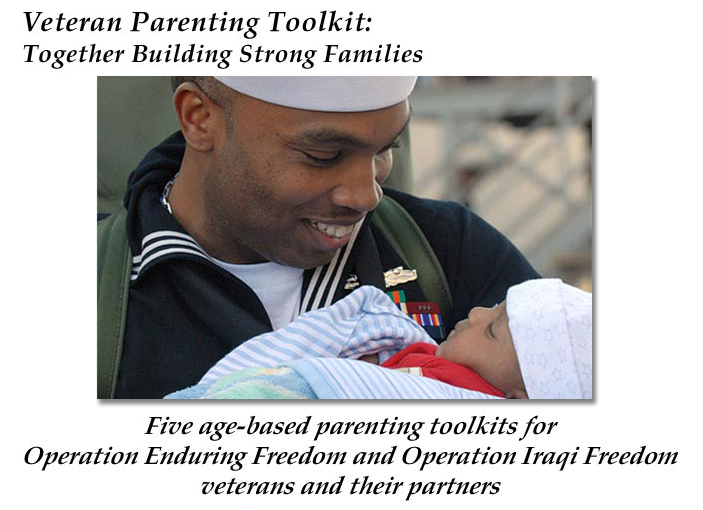
Veteran Parenting Toolkits
Five age-based parenting toolkits for Iraq/ Afghanistan veterans and families, including infants, toddlers, preschoolers, elementary, and teenagers. Paper copies of toolkits were distributed nationally to all VAs in 2013.
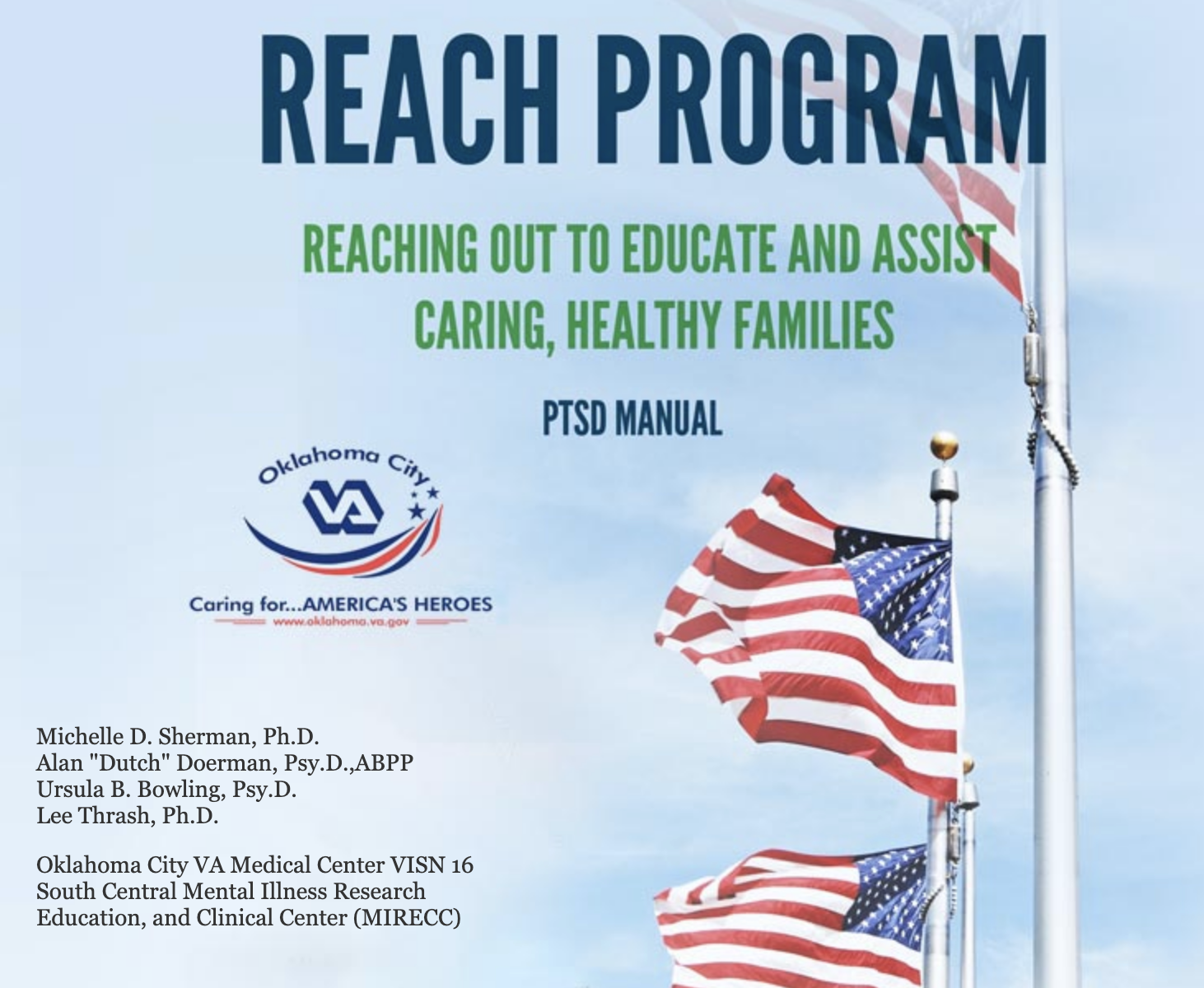
REACH Program: Reaching out to Educate and Assist Caring, Healthy Families Program
The Oklahoma City VA Medical Center’s adaptation of the multi-family group treatment for PTSD. Website includes the curriculum and student workbook.
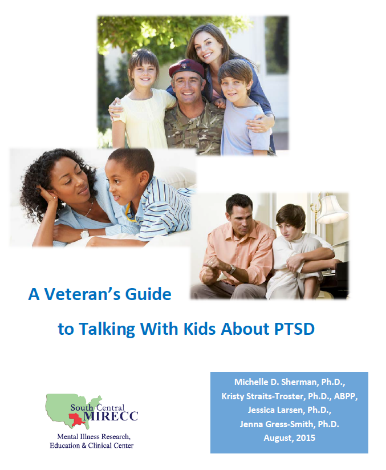
Veteran’s Guide to Talking with Kids about PTSD
An interactive pamphlet to empower adults living with PTSD in exploring if, when, how, and what to share with their children about their trauma and well-being. This guide emerged from a
research project in which we learned from veteran parents about their experiences and needs.
Resources for Teens by Michelle and DeAnne (out of print)
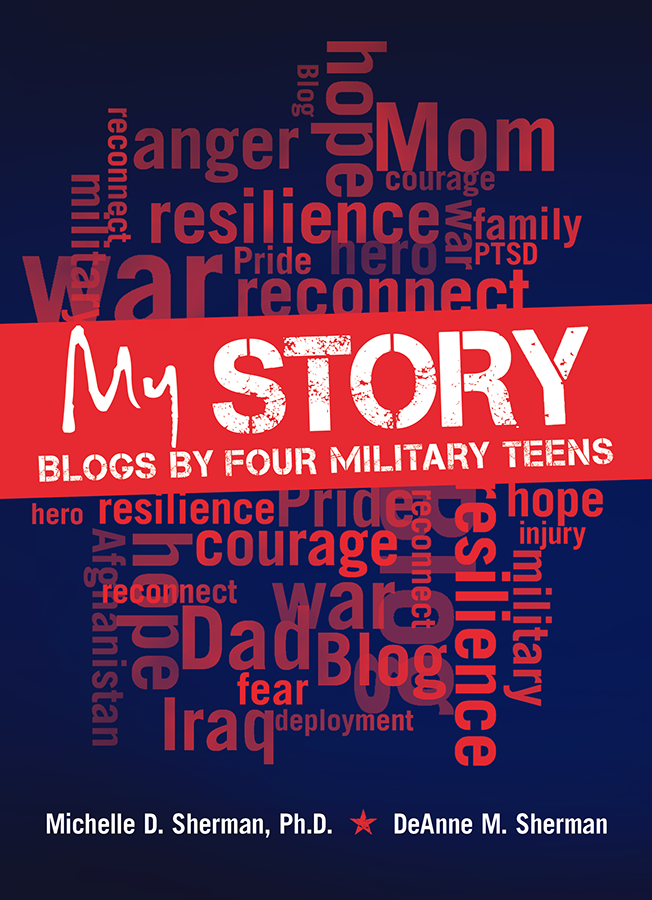
My Story: Blogs by Four Military Teens
A series of blogs by four military teens that highlights their feelings and experiences before, during, and after parental deployment
The Military Child Education Coalition (MCEC) distributed this book to educators and other professionals through their national training programs about supporting military children.
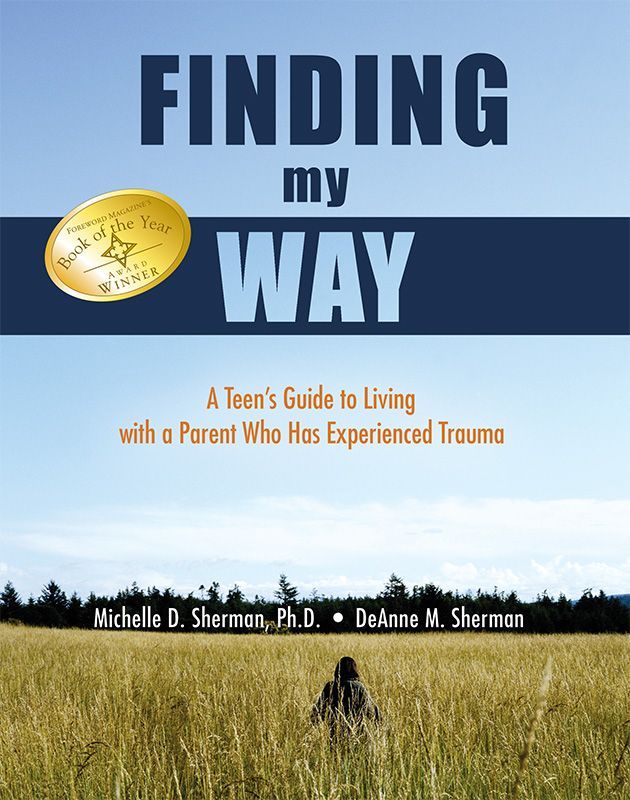
Finding My Way: A Teen's Guide to Living with a Parent Who Has Experienced Trauma
A unique, three-part book that honestly and gently addresses key issues in dealing with a parent who has experienced trauma.
The National Guard purchased over 75,000 copies of this book and distributed them to every unit around the country to be a resource for their families.
Curriculum to Support Healthy Lifestyle Choices
While at the medical school of the University of Minnesota, Michelle collaborated with Dr. Stephanie Hooker and colleagues and created the following curriculum, which is also available for free online:
Change That Matters: Promoting Healthy Behaviors:
A 10-module curriculum to teach physicians how to help patients with health behavior change (quitting smoking, healthy eating, increasing physical activity) and behavioral health topics (managing stress, improving sleep, coping with chronic pain).